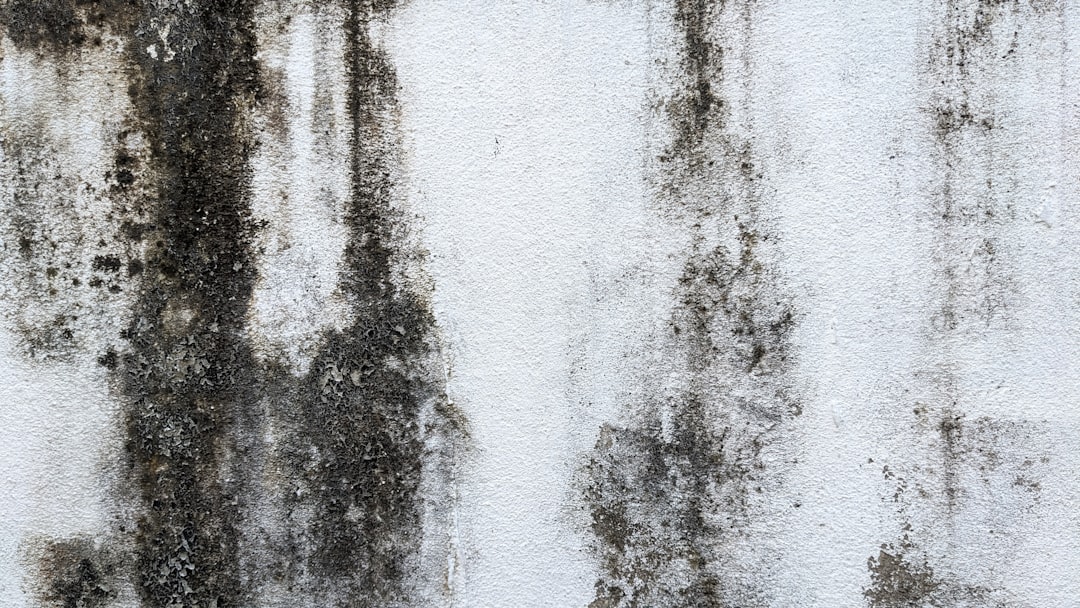
What most property owners don't fully account for is what happens after the water recedes. Mold doesn't announce itself. It grows silently inside walls, under flooring, and in HVAC systems while a home appears to be drying out normally. Here's what you need to know to protect your property and your health.
Why Mold After Flooding Is Almost Inevitable Without Intervention
Mold requires three things to grow: a food source (drywall, wood, insulation), moisture, and time. Flooding provides all three simultaneously — and Houston's baseline humidity of 75–90% means there's rarely a dry window to work with even after the visible water is gone.
Floodwater also matters. Water that enters a home from outside during a storm, bayou overflow, or storm surge is classified as Category 3 (black water) — meaning it contains sewage, bacteria, and other contaminants. Any porous material that absorbs Category 3 water is presumed contaminated and generally must be removed, not dried in place.
The Materials Most at Risk
- Drywall — absorbs water rapidly and is nearly impossible to dry completely once saturated; standard protocol is removal to 12–18 inches above the flood line
- Carpet and padding — retain moisture against subfloor, creating ideal mold conditions; rarely salvageable after Category 3 exposure
- Wood subfloor and framing — can dry if caught early; if mold is already established, affected sections require treatment or replacement
- Insulation — batt insulation holds water and does not dry; it must be removed
- HVAC systems — if the system ran during or after flooding, mold spores may be distributed throughout the home; ductwork inspection is mandatory after a flood event
When to Test for Mold — and When to Skip Straight to Remediation
This is one of the most common questions we hear, and the answer depends on timing and context.
Test first when:
- You're purchasing a property with a flood history and want to verify its condition
- You suspect mold but have no visible evidence and need documentation for an insurance claim
- Remediation has been completed and you need a clearance certificate before re-occupying
- Occupants are experiencing unexplained respiratory symptoms
Proceed directly to remediation when:
- You can see mold growth — visible mold over 10 square feet is classified by the EPA as requiring professional remediation regardless of species
- The flood event was recent (within 48–72 hours) — in this window, immediate mitigation to prevent mold is more valuable than testing for it
- Category 3 water was involved — contaminated porous materials require removal under any circumstances
What Professional Mold Testing Actually Measures
Not all mold testing is equal. A credible assessment includes:
- Air sampling — captures spore counts in the affected area and compares them to outdoor baseline levels; elevated indoor counts indicate active mold presence even when not visible
- Surface sampling — tape lifts or swabs from suspect areas identify mold species and density
- Moisture mapping — thermal imaging and pin/pinless meters identify where moisture is present inside walls and floors, directing remediation scope
Insurance and Mold: What's Covered After a Flood
Standard homeowner's insurance does not cover mold that results from flooding — because the flood itself isn't covered. Flood insurance through NFIP or a private carrier is what covers the initial water damage, and mold remediation coverage within those policies varies significantly.
Key points:
- NFIP policies cover mold damage only if it results from a covered flood and the homeowner took "reasonable means" to minimize the damage — meaning you must document immediate mitigation efforts
- Private flood insurance policies often have more flexible mold coverage, but terms vary by carrier
- If a pipe burst caused the flooding (not a weather event), standard homeowner's insurance may cover resulting mold damage — but only if the claim is filed promptly and mitigation was initiated quickly
The common thread across all policies: delayed response weakens your claim. Insurers expect homeowners to act to minimize damage from the moment it occurs.
How Flat-Out Restoration Handles Post-Flood Mold
We respond to flooding events across the Houston area with immediate water extraction and structural drying, followed by moisture mapping to identify hidden wet areas before mold establishes. When mold is found, we remediate to IICRC S520 standards and conduct post-remediation testing to confirm clearance before reconstruction begins.
Every engagement includes documentation designed to support your insurance claim — because in our experience, the difference between a covered claim and an out-of-pocket expense is often how well the response was documented from the start.
Ready to schedule your mold inspection?
Call (832) 904-9001 or request a quote online.